
Prototypes
Prototypes are a key part of effective product development. OSWORKS produces prototypes that allow products to be tested, evaluated, and refined before production.
3D printing enables fast and cost-efficient prototyping without the need for expensive molds.
Prototype Manufacturing and Rapid Prototyping
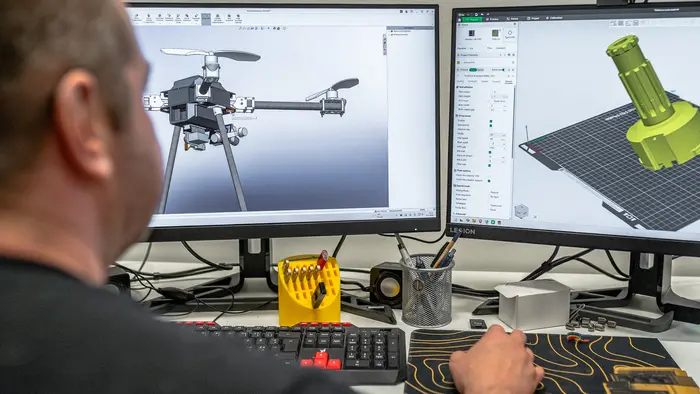
Functional Prototypes for Testing and Development
We produce functional prototypes, not just visual models, but parts designed for real-world testing and use.
Prototypes can be used to test:
- Dimensions and ergonomics
- Mechanical strength
- Component compatibility
- Assembly and serviceability
From Prototype to Pre-Series and Production
The prototype phase often serves as the foundation for pre-series and small production batches before moving to full-scale manufacturing or other production methods.
Standards and Operating Principles
OSWORKS develops products and manufacturing processes in a controlled manner and in accordance with internationally recognized standards. Our operations emphasize quality, information security, risk management, safety, and manufacturability, especially in technically demanding projects.
We follow the following standards and operational frameworks:
- ISO 9001:2015 – Quality Management Systems
- AQAP-2110 – NATO quality assurance requirements for defense-related production
- ISO 14001:2015 – Environmental Management Systems
- ISO/IEC 27001:2023 – Information Security Management Systems
- ISO 31000:2018 / IEC 31010:2019 – Risk Management and Risk Assessment Methods
- ISO 45001:2023 – Occupational Health and Safety Management Systems
- ISO/ASTM 52900:2019 – Standards for Additive Manufacturing and 3D Printing
Following internationally recognized standards supports reliable product development, controlled manufacturing processes, and high delivery reliability.
Production scales flexibly from single parts to small production batches, without fixed minimum order quantities.
We don’t just print parts.
We design and develop solutions tailored to your company’s needs.
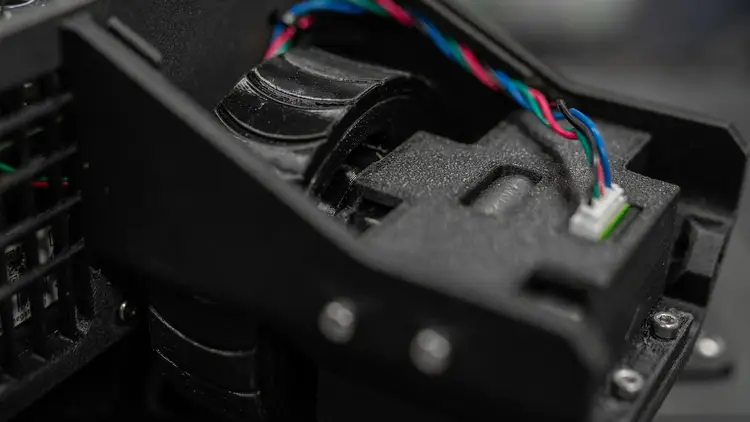
Assembly
OSWORKS provides assembly and contract manufacturing services for companies that need a reliable partner for producing technical components and products. The service covers assembly of individual parts as well as small and medium production batches, where quality, flexibility, and reliable delivery are essential.
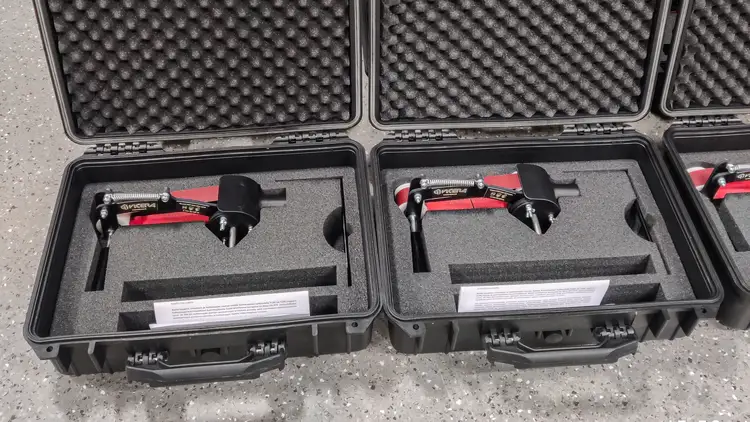
Contract Manufacturing
OSWORKS provides contract manufacturing services for companies that need a reliable partner for producing technical components and products. The service covers assembly of individual parts as well as small and medium production batches, where quality, flexibility, and reliable delivery are essential.
Frequently Asked Questions About Prototypes
What does prototype manufacturing mean?
Prototype manufacturing refers to the design and creation of the first physical version of a product before serial production. A prototype is used to test the functionality, dimensions, materials, and manufacturability of the product before final production.
How quickly can a prototype be manufactured?
Prototype lead time depends on the complexity of the product, selected materials, and manufacturing method. A simple 3D-printed prototype can often be delivered within a few days, while a machined or assembled prototype may take approximately 1–3 weeks.
What Materials can be used for prototypes?
Prototypes can be produced from plastics, metals, composites, or specialized engineering materials. The material is selected based on the intended application, expected loads, and testing requirements.
Why is prototyping important before mass production?
A prototype helps reduce production errors, save costs, and accelerate product development. It allows potential design issues to be identified before investing in expensive tooling or large-scale manufacturing.