
3D design
OSWORKS provides 3D design services for technical products and components. We create production-ready 3D models that support product development, prototyping, and manufacturing.
Our design process considers functionality, manufacturability, materials, and assembly from the early stages, ensuring that the final solution can move efficiently from concept to production.
A high-quality 3D model is the foundation of successful 3D printing.
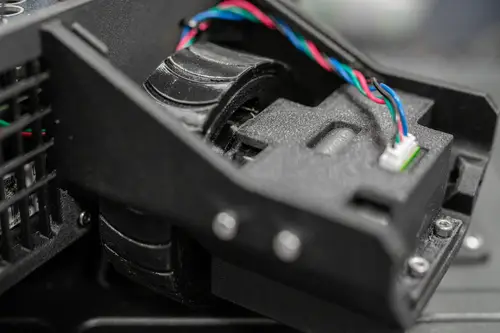
3D Printing and 3D Design Working Together
Combining 3D design and 3D printing opens new possibilities for optimizing parts and product structures. When a component is designed specifically for additive manufacturing, it can take full advantage of the unique capabilities of 3D printing.
3D printing enables complex geometries and internal structures that are difficult or impossible to produce with traditional manufacturing methods. Hollow structures, lightweight lattice designs, and integrated features can be incorporated directly into the model.
Multiple components can also be manufactured as a single integrated part, reducing the need for assembly and improving overall strength and reliability. This approach often results in simpler production, fewer parts, and more durable end products.
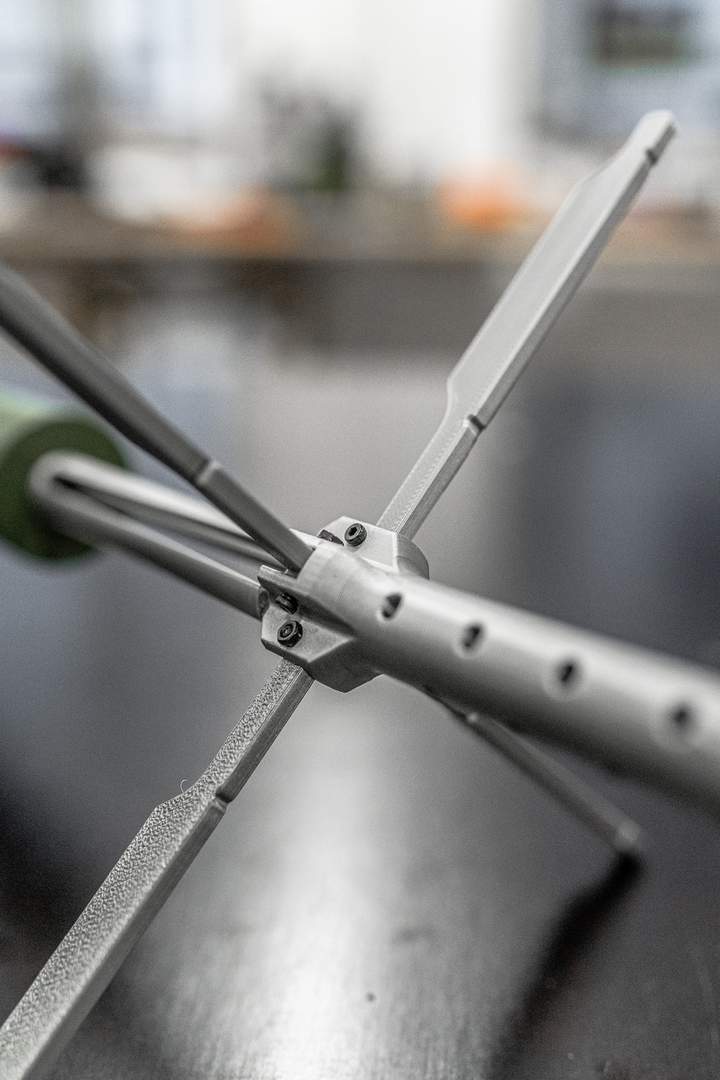
Requirement Analysis and Technical Specification
We begin with a requirement analysis, reviewing the product’s intended use, technical requirements, loads, and design constraints. Manufacturability, assembly, and future development needs are also considered to ensure the part can be efficiently produced using 3D printing or other manufacturing methods.
3D Modeling and Structural Design
We create a 3D model of the product from scratch or further develop an existing customer model. The design process considers mechanical functionality, dimensions, material selection, and the intended manufacturing method to ensure the component performs reliably in its final application.
Design for Manufacturability (DFM)
We optimize the 3D design for manufacturability to ensure the part is production-ready and cost-efficient. This includes structural reinforcements, tolerances, mounting points, and considerations for post-processing and assembly.
Prototyping and Testing
If needed, we produce a functional prototype using 3D printing or other manufacturing methods. Testing helps verify dimensions, ergonomics, and mechanical performance before moving to production.
Final 3D Model for Production or Further Development
The approved 3D model is delivered ready for production, or the project can continue toward pre-series and small batch manufacturing. All documentation and files are prepared according to the agreed production requirements.
Standards and Operating Principles
OSWORKS develops products and manufacturing processes in a controlled manner and in accordance with internationally recognized standards. Our operations emphasize quality, information security, risk management, safety, and manufacturability, especially in technically demanding projects.
We follow the following standards and operational frameworks:
- ISO 9001:2015 – Quality Management Systems
- AQAP-2110 – NATO quality assurance requirements for defense-related production
- ISO 14001:2015 – Environmental Management Systems
- ISO/IEC 27001:2023 – Information Security Management Systems
- ISO 31000:2018 / IEC 31010:2019 – Risk Management and Risk Assessment Methods
- ISO 45001:2023 – Occupational Health and Safety Management Systems
- ISO/ASTM 52900:2019 – Standards for Additive Manufacturing and 3D Printing
Following internationally recognized standards supports reliable product development, controlled manufacturing processes, and high delivery reliability.
Production scales flexibly from single parts to small production batches, without fixed minimum order quantities.
We don’t just print parts.
We design and develop solutions tailored to your company’s needs.
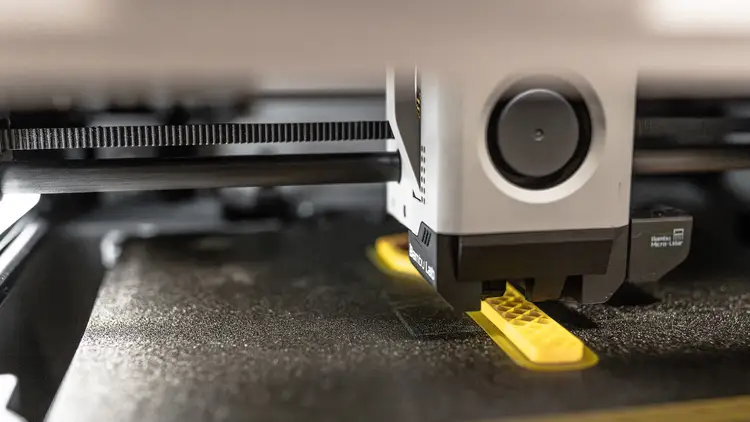
3D printing
OSWORKS provides 3D printing services for companies developing and manufacturing physical products. We produce functional, production-ready plastic parts, from prototypes to small and medium production batches — quickly, flexibly, and designed for their intended application.
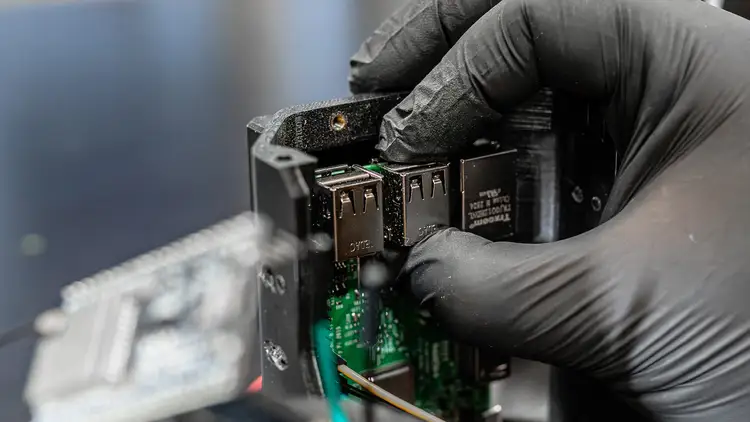
Product development
OSWORKS provides product development services for companies creating physical products or technical systems. Our development process combines design, manufacturability, and practical testing to ensure reliable and production-ready solutions.
Post-processing
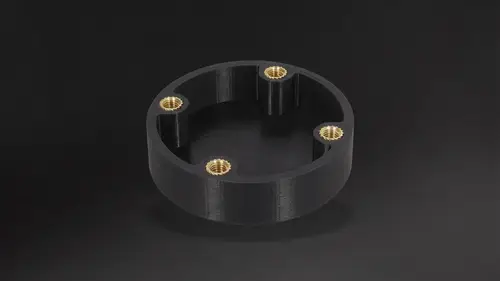
Insert Installation
OSWORKS provides insert installation for plastic and 3D-printed parts, creating durable and reliable fastening points that allow safe disassembly and reassembly.
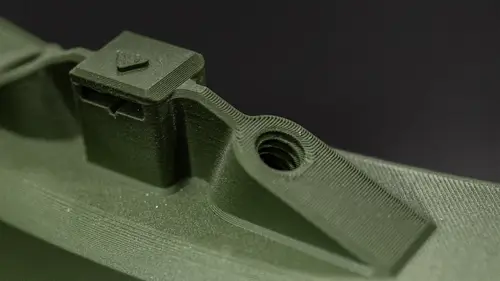
Threading
OSWORKS provides threading for plastic and 3D-printed parts, creating threads directly in the material for reliable and repeatable fastening.
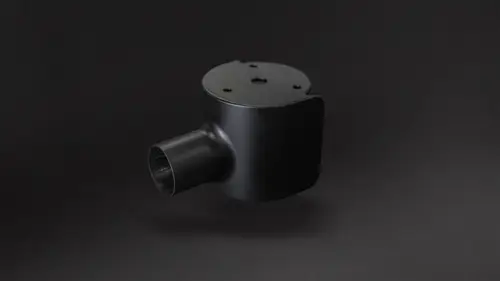
Surface Finishing
OSWORKS provides manual surface finishing for 3D-printed and plastic parts, improving surface quality, refining details, and preparing components for use or further processing.
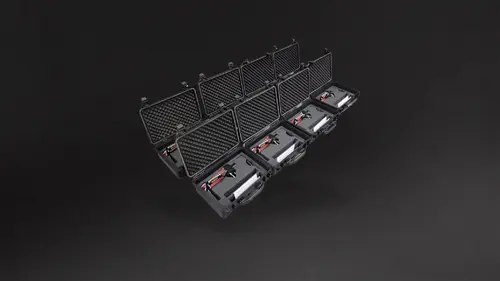
Assembly
OSWORKS provides assembly services for 3D-printed and other technical components, combining them into functional, ready-to-use systems according to customer requirements.