
3D printing
OSWORKS provides 3D printing services for companies developing and manufacturing physical products. We produce functional, production-ready plastic components, from prototypes to small and medium production batches — quickly, flexibly, and designed for their intended application.
3D printing opens new possibilities for product design, development, and manufacturing.
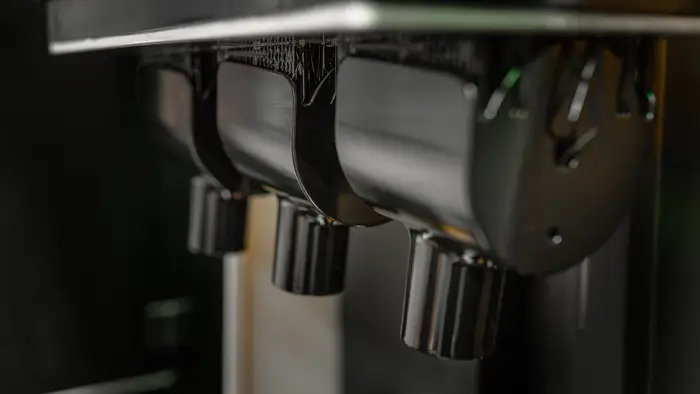
3D printing is an effective solution when:
The product is developed and tested in multiple stages
Functional prototypes are needed quickly
The part geometry is complex
Production volumes are small or medium-sized
Traditional manufacturing methods are not cost-effective
The service is particularly suitable for companies developing technical products that need a flexible manufacturing partner from product development to production.
What Do We Manufacture?
We produce 3D-printed plastic components for a wide range of industrial and technical applications, including:
Prototypes and test parts
Device housings and enclosures
Mounts, adapters, and protective structures
Custom one-off components
Small and medium production batches
If required, parts can also integrate electronics, mechanical functions, or other components as part of a complete solution.

Requirement Analysis
We review the intended use, technical requirements, expected loads, and any manufacturing constraints together with the client.
3D Design and Modeling
The project can start from a customer-provided 3D model, or we design the product from scratch, considering manufacturability and the intended application.
Manufacturing and Production
We select the most suitable manufacturing method and material based on the technical requirements, intended application, and potential future production volumes.
Post-Processing and Assembly
If required, we carry out surface finishing, post-processing, assembly, and functional testing before delivery.
Delivery or Further Development
The finished product is delivered as agreed, or development continues toward pre-series production, small batch manufacturing, or the next stage of product development.
Examples of Products We Have Delivered for Our Clients
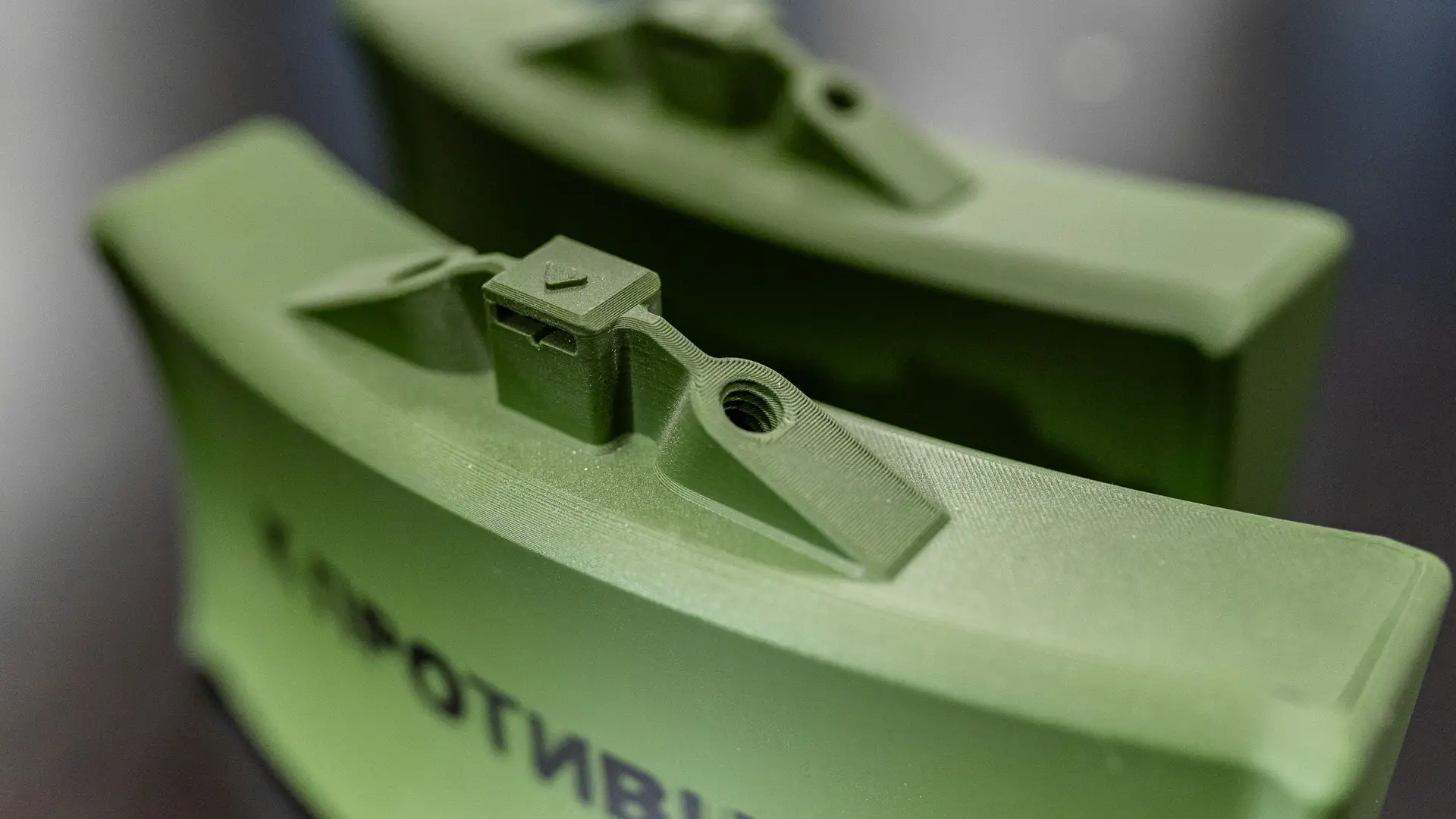
3D-printed PET-G components produced for customer testing and evaluation.
Request a quote
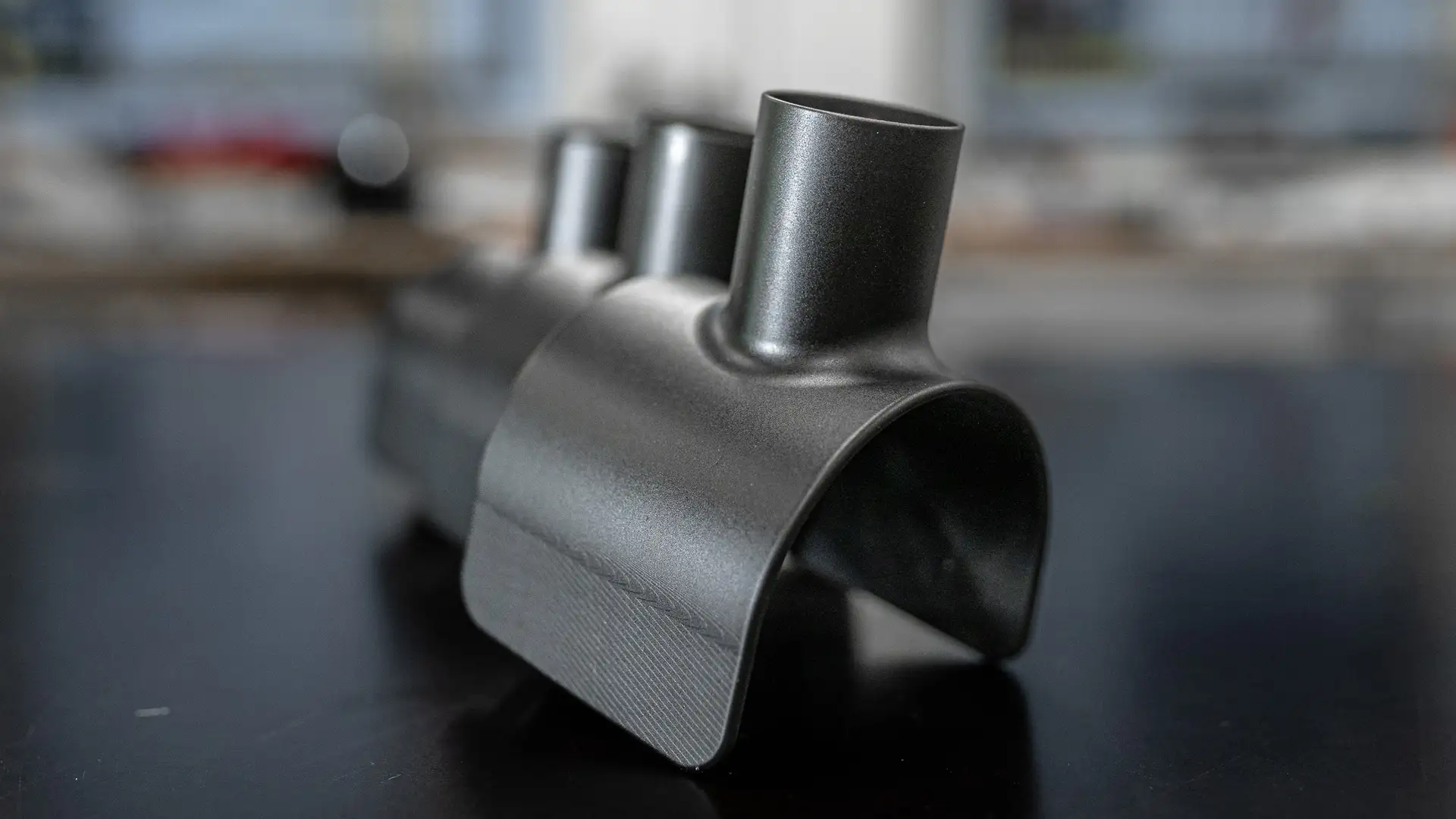
Finished ABS plastic components produced with 3D printing for integration into the customer’s products.
Request a quote
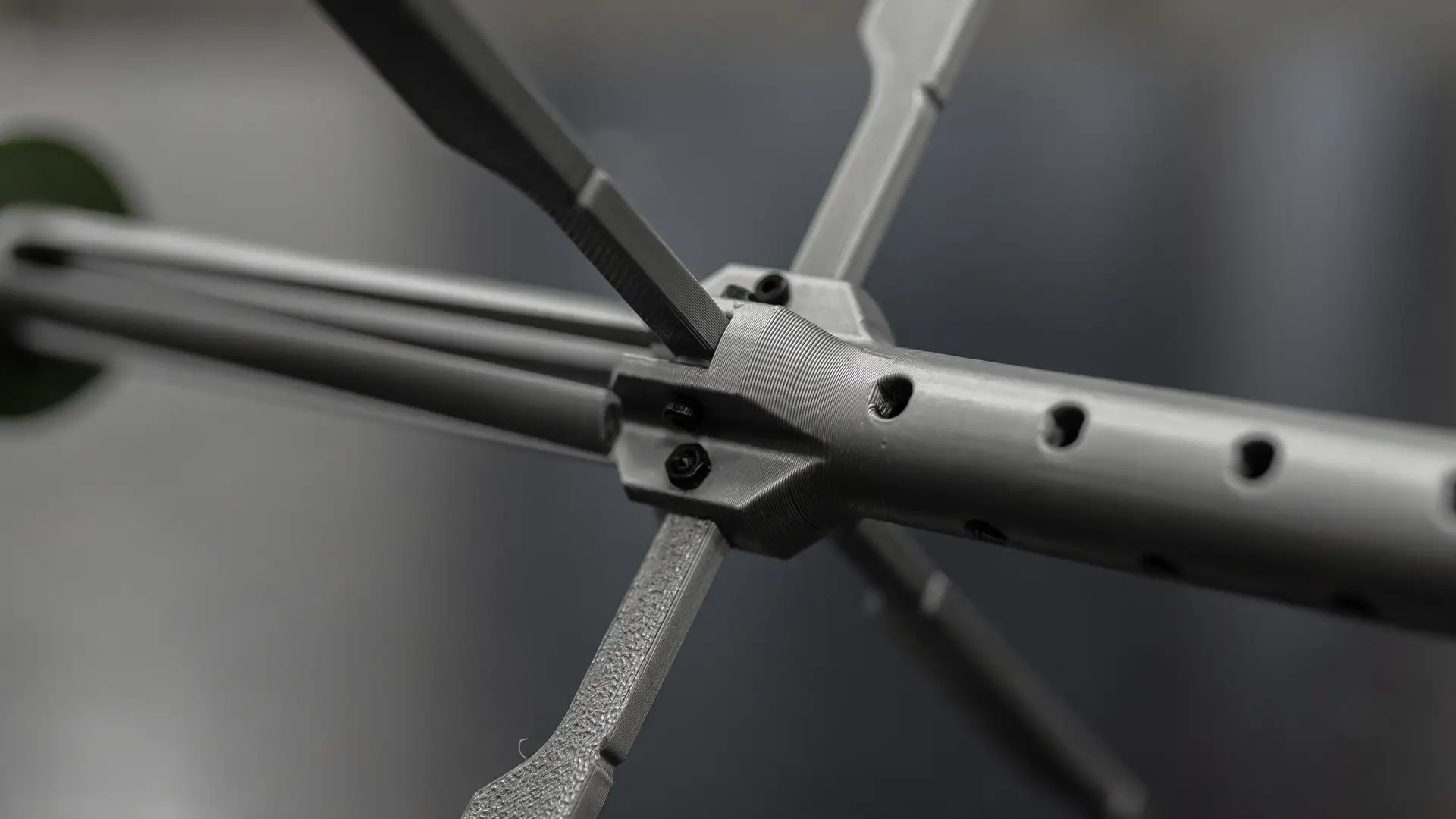
PLA plastic 3D-printed prototype.
Request a quote
Production scales flexibly from single parts to small production batches, without fixed minimum order quantities.
Materials and Technology
Materials and printing technologies are always selected according to the intended application. Key factors include mechanical strength, resistance to temperature and chemicals, dimensional accuracy, and post-processing requirements.
We help choose a solution that supports both the current application and a potential transition to serial production.
Standards and Operating Principles
OSWORKS develops products and manufacturing processes in a controlled manner and in accordance with internationally recognized standards. Our operations emphasize quality, information security, risk management, safety, and manufacturability, especially in technically demanding projects.
We follow the following standards and operational frameworks:
- ISO 9001:2015 – Quality Management Systems
- AQAP-2110 – NATO quality assurance requirements for defense-related production
- ISO 14001:2015 – Environmental Management Systems
- ISO/IEC 27001:2023 – Information Security Management Systems
- ISO 31000:2018 / IEC 31010:2019 – Risk Management and Risk Assessment Methods
- ISO 45001:2023 – Occupational Health and Safety Management Systems
- ISO/ASTM 52900:2019 – Standards for Additive Manufacturing and 3D Printing
Following internationally recognized standards supports reliable product development, controlled manufacturing processes, and high delivery reliability.
We don’t just print parts.
We design and develop solutions tailored to your company’s needs.
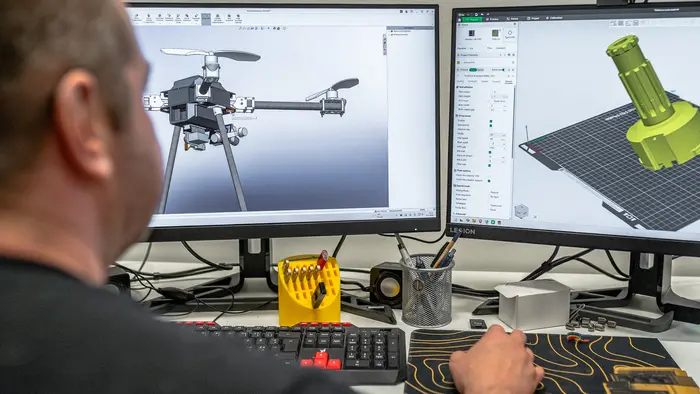
3D design
OSWORKS provides 3D printing services for companies developing and manufacturing physical products. We produce functional, production-ready plastic components, from prototypes to small and medium production batches — delivered quickly, flexibly, and designed for their intended application.
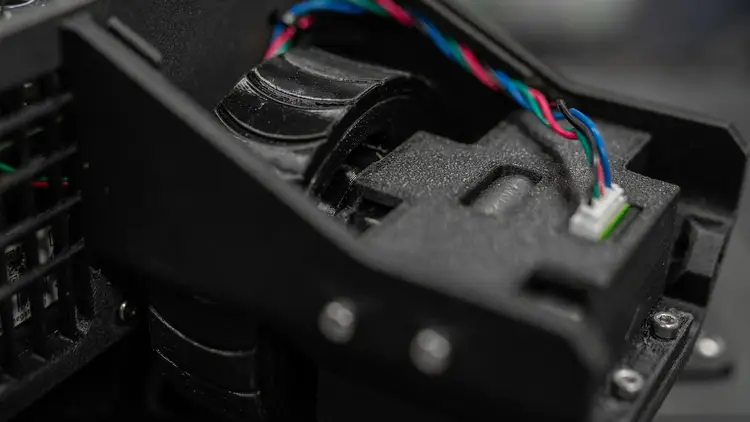
Product development
OSWORKS provides product development services for companies creating physical products or technical systems. Our process combines engineering design, manufacturability, and practical testing to ensure reliable, production-ready solutions.
Post-processing
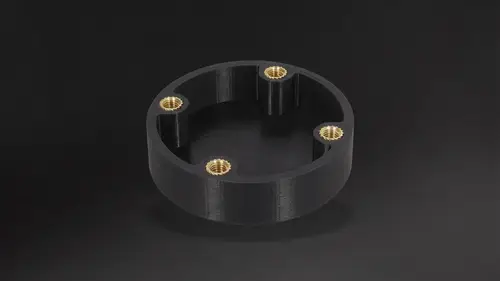
Insert Installation
OSWORKS provides insert installation for plastic and 3D-printed parts, creating durable and reliable fastening points that allow safe disassembly and reassembly.
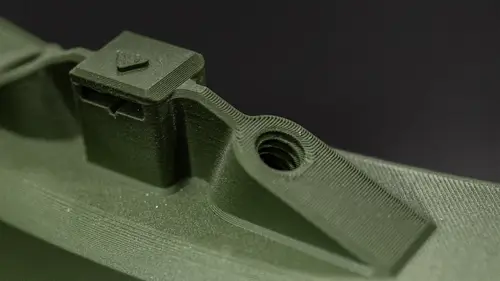
Threading
OSWORKS provides threading for plastic and 3D-printed parts, creating threads directly in the material for reliable and repeatable fastening.
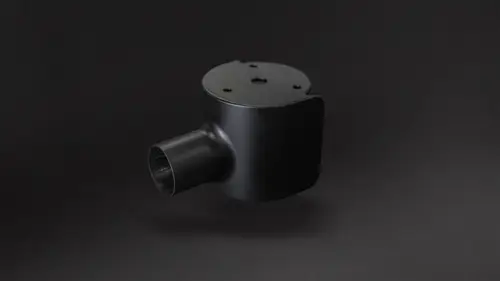
Surface Finishing
OSWORKS provides manual surface finishing for 3D-printed and plastic parts, improving surface quality, refining details, and preparing components for use or further processing.
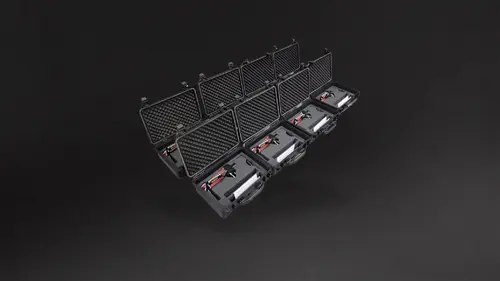
Assembly
OSWORKS provides assembly services for 3D-printed and other technical components, combining them into functional, ready-to-use systems according to customer requirements.
Frequently Asked Questions About 3D Printing
What Is 3D Printing?
3D printing is an additive manufacturing process where a part is built layer by layer from a digital 3D model. It is well suited for prototypes, small production batches, and customized components.
What Are the Advantages of 3D Printing Compared to Traditional Manufacturing?
3D printing enables fast lead times, low initial costs, complex geometries, and flexible product development without the need for expensive molds.
Is 3D Printing Suitable for Mass Production?
3D printing is particularly suitable for small and medium production batches as well as spare parts. For very large production volumes, traditional manufacturing methods may be more cost-effective.
What Files Are Needed for 3D Printing?
The most commonly used file format is STL, but STEP and other 3D CAD file formats can also be used for manufacturing.